The packaging world in Saudi Arabia is changing f…
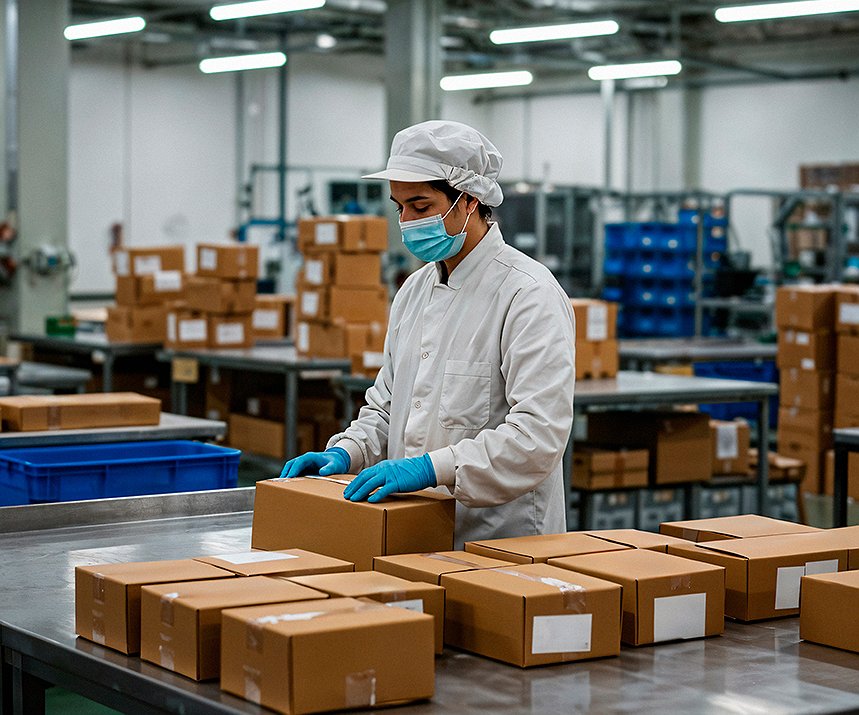
The packaging industry in Saudi Arabia is entering a period of massive change. Between 2025 and 2030, every business connected to packaging, manufacturers, distributors, brand owners, logistics companies, and wholesale suppliers in Saudi Arabia, will face new expectations shaped by sustainability goals, advanced technology, and more informed consumers. Companies that understand these shifts early will have a real advantage in a rapidly evolving market.
Sustainable packaging is no longer just a marketing buzzword. It has become a core business requirement across the Kingdom. The Saudi sustainable packaging market, valued at around $4.8 billion in 2023, is expected to exceed $7 billion by 2030. For wholesale suppliers in Saudi Arabia, this growth represents a major opportunity but also a responsibility to adapt and innovate.
Saudi Arabia’s Vision 2030 has accelerated sustainability efforts. With the anticipated Extended Producer Responsibility (EPR) framework coming around 2026, manufacturers and sellers will be accountable for what happens to their packaging after the customer is done with it. This means:
● Packaging must be designed for recycling
● Materials must be easier to collect and process
● Waste reduction becomes a shared responsibility
For wholesale suppliers in Saudi Arabia, this shift means offering products that support recyclability and align with new regulations.
As of September 2025, new rules from the Ministry of Environment, Water, and Agriculture require packaging to be:
● Food-grade
● Durable
● Recyclable
● Clearly labeled for proper disposal
More than 5,000 companies have already applied for eco-certifications. The message is clear: sustainability is now part of compliance, not optional good behavior.
Consumer behavior mirrors these regulatory changes. Today:
● 60% of Saudi consumers prefer sustainable packaging
● 75% are willing to pay more for responsible packaging
This shift benefits wholesale suppliers in Saudi Arabia who offer biodegradable, compostable, and recyclable alternatives, as demand for these materials grows year after year.
Biodegradable plastics made from plants, paper-based packaging, and compostable materials are now essential product lines. Suppliers who invest in these alternatives will be better positioned to meet market demand and regulatory requirements.
Technology adoption is accelerating across the Kingdom. In 2024, the Saudi smart packaging market reached $363 million, and it’s projected to grow beyond $600 million by 2033.
For wholesale suppliers in Saudi Arabia, this presents a shift from selling simple containers to offering advanced solutions that enhance food safety, supply chain visibility, and customer engagement.
New technologies such as:
● Temperature sensors
● Humidity indicators
● RFID tags
● Real-time trackers
These tools help businesses maintain cold-chain quality, reduce spoilage, and monitor packaging conditions in real time, critical in Saudi Arabia’s climate.
AI-powered systems can:
● Detect packaging defects
● Validate halal compliance
● Optimize sealing, printing, and labeling
● Personalize designs using variable data printing
For wholesale suppliers in Saudi Arabia, this means faster turnaround, better accuracy, and more customization for clients.
Brands can now launch limited editions or customize packaging for events, promotions, and niche markets, without major setup costs. This flexibility is especially useful for suppliers serving restaurants, cloud kitchens, and e-commerce brands that require small-batch orders.
By scanning QR codes, customers can verify authenticity, access nutritional details, track sourcing, or join loyalty programs, turning packaging into a digital touchpoint.
The disposable foodservice packaging market is booming. Worth $1.68 billion in 2025, it's projected to hit $2.31 billion by 2032. With over 10 million people ordering food online in the Kingdom, demand for high-quality takeaway packaging grows daily.
Delivery-Driven Growth
Young consumers, particularly those aged 15–34, fuel much of this demand. Their lifestyle increases dependency on:
● Single-serve containers
● Leak-proof hot boxes
● Eco-friendly cutlery
This creates steady opportunities for wholesale suppliers in Saudi Arabia who meet safety, durability, and sustainability expectations.
E-Commerce Expansion
Packaging needs now go beyond food:
● Cushioning materials for fragile products
● Branded unboxing experiences
● Minimal-waste, easy-to-recycle packages
Consumers expect convenience and responsible design at the same time.
Rising Material Costs
Biodegradable materials still cost 20–30% more than traditional options, though this gap is shrinking. Suppliers who manage production costs well can offer competitive pricing.
Complex Compliance Requirements
The Saudi Standards, Metrology and Quality Organization (SASO) now enforces stringent rules for:
● Labeling
● Material testing
● Food safety
● Recycling instructions
Working with knowledgeable wholesale suppliers in Saudi Arabia helps businesses stay compliant without navigating the regulatory maze alone.
Supply Chain Resilience Matters More Than Ever
After recent global disruptions, companies now prioritize suppliers who:
● Maintain inventory buffers
● Offer multiple sourcing options
● Ensure punctual deliveries
Reliability is now more valuable than minimal pricing.
Forward-looking businesses are already preparing for 2025–2030 by focusing on:
1. Circular Economy Models
Packaging is now designed from the start to be recyclable, reusable, or compostable.
2. Local Manufacturing
Saudi Arabia encourages local production, providing opportunities for wholesale suppliers in Saudi Arabia to strengthen domestic capabilities.
3. Collaboration Across the Value Chain
Suppliers, manufacturers, designers, and brand owners are entering partnerships to reduce costs and accelerate innovation.
4. Smart Technology Adoption
Companies are integrating tools that improve precision, quality, and traceability.
5. Consumer Education
Clear messaging about sustainable practices builds trust and brand loyalty.
6. Market Intelligence
Businesses that track regulations and consumer shifts stay ahead of competitors
Even though packaging dominates headlines, adjacent industries, such as cleaning supplies, are also shifting toward eco-friendly solutions. Packaging factories and foodservice companies now demand:
● Non-toxic cleaners
● Environmentally safe industrial chemicals
● Sustainable facility supplies
Many wholesale suppliers in Saudi Arabia now expand their portfolios to include these complementary product lines, offering clients a one-stop solution.
With nearly two decades of experience, Bashoot has built a strong reputation as one of the reliable wholesale suppliers in Saudi Arabia. We support restaurants, cafés, catering businesses, manufacturers, and retailers across the Kingdom with:
● Eco-friendly packaging
● Disposable containers
● Compostable alternatives
● Cleaning and industrial supplies
● Food-grade materials
● Custom packaging solutions
● Up-to-date regulatory knowledge
● Product recommendations tailored to your menu and operations
● Reliable deliveries during peak seasons
● Competitive pricing for bulk buyers
● A wide range of sustainable options
● Expert guidance on transitions and certifications
We don’t just supply products, we help you plan strategically, stay compliant, and future-proof your business.
Sustainability, smart technology, and evolving customer expectations will shape the packaging landscape more dramatically between 2025 and 2030 than at any time in the past two decades. Businesses that partner with the right wholesale suppliers in Saudi Arabia will remain competitive, resilient, and ready for the future.
The time to adapt is now. If you’re ready to strengthen your packaging strategy for the coming years, Bashoot is here to support you with guidance, reliability, and a complete range of solutions built for Saudi Arabia’s dynamic market.
Tags
Plastic
The packaging world in Saudi Arabia is changing f…
Keeping a commercial building spotless isn’t as s…